
Post
The Ultimate Guide to Incredible Virtual Reality Gaming with Meta Quest 4
May
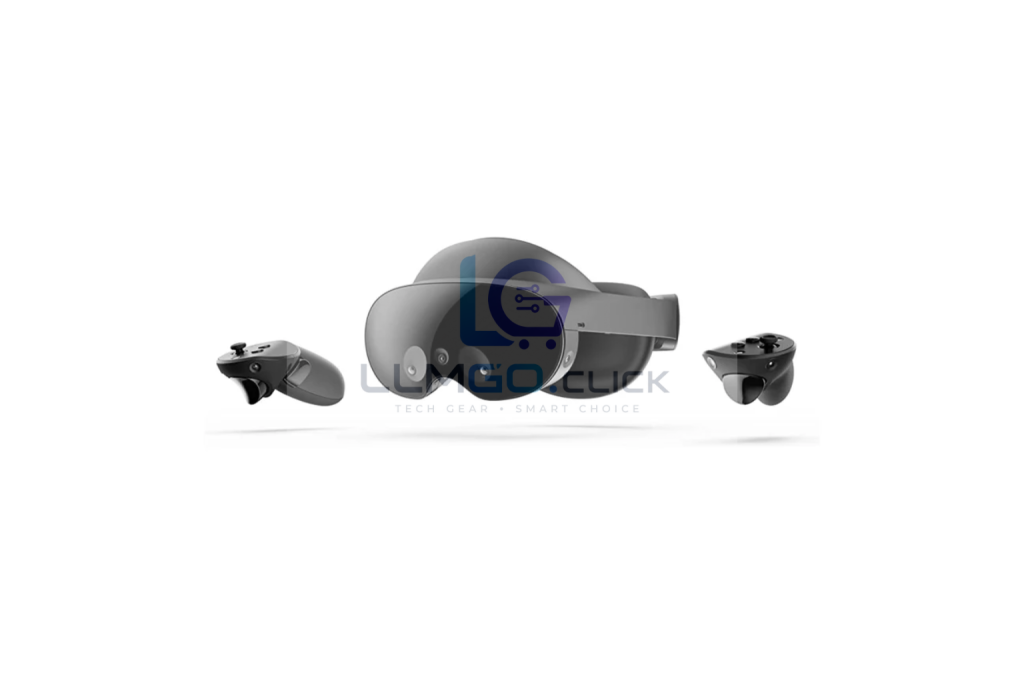
Virtual Reality Gaming with Meta Quest 4
Virtual Reality (VR) gaming has transformed the entertainment industry by creating immersive digital experiences that allow players to step inside virtual worlds rather than simply watching them on a screen. Over the past decade, VR technology has evolved rapidly, offering better graphics, smoother performance, advanced motion tracking, and more realistic interactions. Among the leading innovations in this field is the Meta Quest 4, a next-generation VR headset designed to redefine gaming experiences for casual players and hardcore enthusiasts alike. Virtual Reality Gaming with Meta Quest 4
The Meta Quest 4 combines powerful hardware, wireless freedom, advanced mixed reality features, and an expanding ecosystem of VR games and applications. As virtual reality continues becoming more accessible and sophisticated, the Meta Quest 4 stands out as a device capable of bringing futuristic gaming experiences into everyday life. Virtual Reality Gaming with Meta Quest 4
This article explores the impact of virtual reality gaming with Meta Quest 4, including its features, gaming advantages, immersive capabilities, technological innovations, and future potential in the world of digital entertainment. Virtual Reality Gaming with Meta Quest 4
The Evolution of Virtual Reality Gaming
Virtual reality gaming has come a long way since the early experimental headsets introduced decades ago. Initial VR systems were bulky, expensive, and limited by weak hardware capabilities. Graphics were basic, tracking systems were inaccurate, and motion sickness remained a common issue. Virtual Reality Gaming with Meta Quest 4
However, modern VR technology has dramatically improved thanks to advances in processors, displays, sensors, wireless communication, and artificial intelligence. Today’s VR systems provide realistic graphics, accurate motion tracking, and responsive interactions that create convincing immersive environments. Virtual Reality Gaming with Meta Quest 4
The Meta Quest series has played a major role in making VR more mainstream. Earlier generations introduced standalone wireless VR gaming, eliminating the need for complicated external sensors or expensive gaming PCs. The Meta Quest 4 continues this evolution by delivering even more powerful performance, enhanced visuals, and smarter mixed reality integration.
As gaming technology advances, VR is no longer considered a niche market. It is becoming an important part of the future of interactive entertainment. Virtual Reality Gaming with Meta Quest 4
Advanced Visual Performance
One of the most important aspects of VR gaming is visual quality. Immersion depends heavily on realistic graphics, smooth frame rates, and sharp image clarity. The Meta Quest 4 is designed to provide significant visual improvements over previous generations.
The headset features high-resolution displays capable of delivering crisp images with reduced screen-door effects. Enhanced pixel density improves realism and makes virtual environments appear more natural and detailed.
Smooth refresh rates are equally important in VR gaming. High refresh rates reduce motion blur and improve responsiveness, helping create more comfortable gameplay experiences. Faster refresh rates also reduce the risk of motion sickness, which has historically been a challenge for some VR users.
The Meta Quest 4’s improved graphics processing capabilities enable developers to create more visually complex games with realistic lighting, textures, and animations. Players can explore detailed fantasy worlds, futuristic cities, and immersive battlefields with greater realism than ever before.
Wireless Freedom and Mobility
One of the biggest advantages of the Meta Quest 4 is its wireless design. Traditional VR systems often require cables connected to gaming PCs or consoles, limiting player movement and creating potential safety hazards.
The Meta Quest 4 eliminates these restrictions through standalone wireless functionality. Players can move freely without worrying about tangled wires or restricted play areas. Virtual Reality Gaming with Meta Quest 4
Wireless freedom significantly improves immersion because users can physically turn, walk, dodge, and interact naturally within virtual environments. This creates a more engaging and realistic gaming experience.
The portability of the headset also allows users to play VR games in multiple locations. Whether at home, at a friend’s house, or while traveling, the Meta Quest 4 offers flexible gaming opportunities without complicated setup requirements.
This convenience has helped make VR gaming more accessible to wider audiences.
Powerful Processing Capabilities
Modern VR gaming demands substantial computing power. Real-time rendering, motion tracking, physics simulations, and AI-driven interactions all require advanced hardware performance.
The Meta Quest 4 incorporates next-generation processors and optimized software systems to handle demanding VR experiences efficiently. Virtual Reality Gaming with Meta Quest 4
Improved processing power enables:
- Faster game loading times
- Smoother gameplay
- Better graphical effects
- Enhanced AI interactions
- More realistic physics simulations
These improvements contribute to more immersive and responsive gaming experiences.
Developers can also create larger and more detailed virtual worlds because of the headset’s stronger hardware capabilities. This expands the possibilities for open-world VR adventures, multiplayer experiences, and simulation games.
Immersive Audio Technology
Audio plays a critical role in virtual reality immersion. Realistic sound positioning helps users feel fully present inside digital environments.
The Meta Quest 4 features advanced spatial audio systems that simulate realistic sound direction and distance. Players can hear footsteps approaching from behind, environmental sounds surrounding them, and dialogue coming from specific virtual characters.
Immersive audio enhances gameplay in many genres, including horror games, action shooters, adventure titles, and multiplayer experiences. Virtual Reality Gaming with Meta Quest 4
For example, survival horror games become significantly more intense when players hear realistic sounds moving around them in three-dimensional space.
Competitive multiplayer games also benefit because directional audio improves awareness and reaction times.
Combined with advanced visuals, spatial audio creates a convincing sense of presence inside virtual worlds.
Enhanced Motion Tracking
Accurate motion tracking is essential for VR gameplay. The Meta Quest 4 uses sophisticated sensors and tracking systems to monitor player movement with high precision.
The headset can track:
- Head movement
- Hand movement
- Body positioning
- Controller interactions
This tracking accuracy allows players to interact naturally with virtual objects and environments.
For example, players can swing swords, throw objects, climb walls, reload weapons, or manipulate tools using realistic physical motions. Virtual Reality Gaming with Meta Quest 4
Improved tracking enhances immersion and gameplay responsiveness while reducing input lag and tracking errors.
Some advanced VR experiences may also incorporate hand tracking technology that allows users to interact without controllers, creating even more natural gameplay interactions.
Mixed Reality Features
One of the most exciting innovations in modern VR technology is mixed reality integration. The Meta Quest 4 includes advanced mixed reality capabilities that blend digital content with the physical world.
Mixed reality allows users to see and interact with both virtual and real-world environments simultaneously.
This technology creates new possibilities for gaming experiences. Virtual characters and objects can appear inside real rooms, turning homes into interactive gaming spaces.
For example:
- Strategy games can place digital battlefields on living room tables.
- Fitness games can integrate virtual trainers into home workout spaces.
- Puzzle games can transform physical rooms into interactive challenges.
Mixed reality expands the boundaries of gaming by combining physical and digital interactions in innovative ways.
Expanding VR Game Library
A gaming platform’s success depends heavily on its available content. The Meta Quest ecosystem continues growing with a wide variety of VR games across multiple genres.
Popular categories include:
- Action and adventure
- Virtual Reality Gaming with Meta Quest 4
- Horror
- Sports simulations
- Rhythm games
- Multiplayer shooters
- Puzzle games
- Fitness experiences
- Open-world exploration
Developers are increasingly investing in VR-exclusive titles designed specifically for immersive gameplay mechanics.
Many traditional gaming franchises are also entering the VR market, bringing established fan bases into virtual reality experiences.
The expanding game library ensures that players with different interests can find engaging content suitable for their preferences.
Social and Multiplayer Experiences
Virtual reality is no longer limited to solo gaming experiences. Social VR platforms and multiplayer games have become increasingly popular.
The Meta Quest 4 supports online multiplayer gaming, allowing users to interact with friends and players from around the world in shared virtual spaces.
Players can:
- Team up in cooperative missions
- Compete in multiplayer matches
- Attend virtual events
- Explore social VR environments
- Watch digital concerts and movies together
- Virtual Reality Gaming with Meta Quest 4
These social interactions create entirely new forms of online communication and entertainment.
Virtual reality adds a sense of physical presence that traditional online gaming cannot fully replicate. Players can use body language, gestures, and spatial movement to communicate naturally inside virtual environments.
This social dimension is helping VR evolve beyond gaming into a broader digital lifestyle platform.
Fitness and Physical Activity
One unique advantage of VR gaming is its ability to encourage physical activity. Unlike traditional gaming, many VR games require players to move their bodies actively.
The Meta Quest 4 supports a wide range of fitness-focused experiences that combine exercise with entertainment.
Players can engage in:
- Boxing simulations
- Dance games
- Virtual sports
- Cardio workouts
- Martial arts training
These activities help users stay active while enjoying immersive gameplay experiences.
VR fitness has become increasingly popular because it makes exercise more engaging and enjoyable. Many users find themselves exercising longer because they become immersed in the gaming experience rather than focusing on physical effort.
As health awareness continues growing, VR fitness may become an important part of future wellness routines. Virtual Reality Gaming with Meta Quest 4
Educational and Creative Applications
Although gaming is a major focus, the Meta Quest 4 also supports educational and creative applications.
Virtual reality can create interactive learning experiences that improve understanding and engagement.
Educational uses include:
- Virtual science laboratories
- Historical simulations
- Medical training
- Architecture visualization
- Language learning environments
Creative professionals can also use VR for:
- 3D design
- Digital sculpting
- Virtual collaboration
- Artistic experimentation
These applications demonstrate that VR technology extends far beyond entertainment alone.
Challenges Facing VR Gaming
Despite its many advantages, VR gaming still faces several challenges.
Some users may experience motion sickness during intense gameplay sessions. Although improved refresh rates and tracking systems help reduce discomfort, sensitivity varies between individuals.
Battery life is another consideration for standalone wireless headsets. High-performance VR processing consumes significant power, requiring regular recharging during extended gaming sessions.
Cost can also remain a barrier for some consumers, especially when purchasing accessories and premium VR games.
Additionally, developers continue optimizing user interfaces and gameplay mechanics specifically for virtual reality environments.
However, ongoing technological improvements are steadily addressing these limitations.
Virtual Reality Gaming with Meta Quest 4
The future of VR gaming looks extremely promising. As hardware becomes more powerful and affordable, virtual reality adoption is expected to continue growing rapidly.
Future developments may include:
- Even higher-resolution displays
- Full-body tracking systems
- Advanced haptic feedback
- AI-driven virtual worlds
- Cloud-based VR gaming
- More realistic mixed reality integration
The Meta Quest 4 represents an important step toward these future possibilities.
As VR technology evolves, gaming experiences may become increasingly indistinguishable from reality, creating entirely new forms of entertainment and digital interaction. Virtual Reality Gaming with Meta Quest 4
Conclusion
The Meta Quest 4 represents a major advancement in the world of virtual reality gaming. By combining high-quality visuals, wireless freedom, advanced motion tracking, immersive audio, mixed reality capabilities, and a growing game ecosystem, it delivers an engaging and futuristic gaming experience. Virtual Reality Gaming with Meta Quest 4
Virtual reality gaming is transforming how people interact with digital entertainment by placing players directly inside interactive virtual worlds. The Meta Quest 4 enhances this transformation through powerful hardware and innovative features designed for modern gamers and technology enthusiasts. Virtual Reality Gaming with Meta Quest 4
From action-packed adventures and social multiplayer experiences to fitness applications and educational tools, the possibilities of VR continue expanding rapidly. Virtual Reality Gaming with Meta Quest 4
As technology advances further, virtual reality gaming is likely to become an even more important part of mainstream entertainment. The Meta Quest 4 stands at the forefront of this evolution, offering users a glimpse into the future of immersive digital experiences. Virtual Reality Gaming with Meta Quest 4
