
Post
The Ultimate Guide to What to Expect from PlayStation 6
May
What to Expect from the PlayStation 6
For more than two decades, Sony’s PlayStation consoles have shaped the gaming industry. From the revolutionary original PlayStation to the powerful PlayStation 5, each generation has introduced major advancements in graphics, gameplay, online connectivity, and immersive experiences. Now, gamers around the world are already looking ahead and asking the same question: what will the PlayStation 6 bring to the future of gaming? What to Expect from PlayStation 6
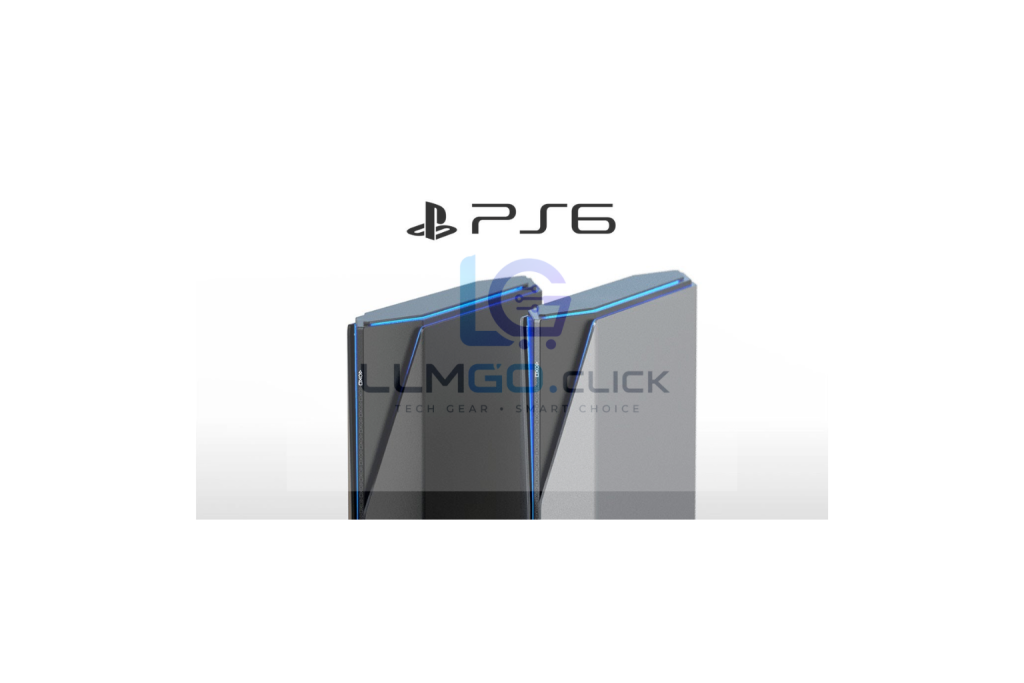
Although Sony has not officially revealed full details about the PlayStation 6, industry trends, technological advancements, patents, expert predictions, and the evolution of previous PlayStation systems provide enough clues to form a realistic picture of what players can expect. The PlayStation 6 is likely to become far more than a traditional gaming console. It may serve as an advanced entertainment ecosystem powered by artificial intelligence, cloud computing, virtual reality, and ultra-realistic graphics technologies. What to Expect from PlayStation 6
This article explores the potential features, hardware innovations, gaming experiences, and industry impact of the PlayStation 6 in detail. What to Expect from PlayStation 6
The Expected Release Timeline
Historically, Sony releases a new PlayStation console approximately every six to seven years. The PlayStation 4 launched in 2013, while the PlayStation 5 arrived in 2020. Based on this pattern, many analysts predict that the PlayStation 6 could launch sometime between 2027 and 2028.
Sony executives have hinted that the PS5 still has many years of life remaining, especially considering how long cross-generation development has lasted. However, technological progress in gaming hardware continues to accelerate rapidly, especially with advancements in AI, rendering technology, and cloud gaming. By the late 2020s, the market may be ready for another major leap forward.
When the PlayStation 6 eventually launches, expectations will be incredibly high. Gamers will not simply want improved graphics; they will expect an entirely new level of immersion and interactivity.
A Massive Leap in Graphics Performance
One of the biggest expectations for the PlayStation 6 is dramatically improved graphics performance. Every PlayStation generation has pushed visual fidelity closer to realism, and the PS6 will likely continue this trend in impressive ways.
The PlayStation 5 already supports ray tracing, 4K gaming, and frame rates up to 120 FPS in some titles. The PlayStation 6 could expand these capabilities significantly by introducing:
- Native 8K gaming support
- More advanced ray tracing
- Real-time global illumination
- AI-assisted rendering
- Ultra-high frame rates
- Cinematic visual realism
The next generation of AMD GPUs or potentially custom Sony-designed chips could power the console. AI upscaling technologies similar to NVIDIA DLSS or AMD FSR may allow games to achieve exceptional image quality while maintaining smooth performance. What to Expect from PlayStation 6
Developers may also use machine learning systems to generate more detailed environments, smarter NPCs, and dynamic visual effects. Shadows, reflections, weather systems, and animations could become nearly indistinguishable from real life. What to Expect from PlayStation 6
Imagine exploring a city where every window reflects light naturally, every raindrop reacts realistically to the environment, and every character displays lifelike facial expressions in real time. The PlayStation 6 could make these experiences standard rather than exceptional. What to Expect from PlayStation 6
Faster Loading Speeds and Advanced Storage
The PlayStation 5 introduced extremely fast SSD technology that virtually eliminated long loading screens. The PlayStation 6 is expected to push this even further. What to Expect from PlayStation 6
Future storage technologies may allow:
- Instant game boot-up
- Seamless open worlds
- Real-time environment streaming
- Dynamic asset loading
- Zero loading interruptions
Developers could design games without technical limitations caused by slow storage devices. Entire worlds may load instantly as players move through environments. What to Expect from PlayStation 6
The PS6 may also include:
- Larger internal SSD capacities
- Expandable ultra-fast storage
- Improved compression technologies
- Cloud-integrated save systems
By the time the PlayStation 6 launches, digital game sizes could become enormous due to advanced textures and high-resolution assets. Efficient storage management will therefore become even more important. What to Expect from PlayStation 6

Artificial Intelligence Will Transform Gaming
Artificial intelligence may become one of the defining features of the PlayStation 6 generation. AI is already influencing game development today, but future consoles could integrate it directly into gameplay systems. What to Expect from PlayStation 6
Potential AI-driven features include:
Smarter NPCs
Non-playable characters may behave more naturally than ever before. Instead of repeating scripted actions, AI-powered NPCs could:
- Learn from player behavior
- React emotionally
- Adapt strategies dynamically
- Remember player choices
- Create unpredictable interactions
This could make game worlds feel truly alive. What to Expect from PlayStation 6
Personalized Gaming Experiences
The PS6 might analyze how players interact with games and adjust experiences accordingly. For example:
- Difficulty levels could adapt automatically
- Storylines may branch based on play style
- Tutorials could respond intelligently to skill levels
- Recommendations may become highly personalized
AI Voice Interaction
Sony could implement advanced voice assistants specifically for gaming. Players might:
- Ask for gameplay hints naturally
- Control menus using speech
- What to Expect from PlayStation 6
- Interact with NPCs conversationally
- Create custom content through voice commands
As AI language technology evolves, games may support fully dynamic conversations instead of pre-written dialogue trees.
Virtual Reality Could Become Mainstream
Sony has already invested heavily in virtual reality through PlayStation VR and PlayStation VR2. The PlayStation 6 may finally bring VR fully into the mainstream gaming experience. What to Expect from PlayStation 6
Future VR systems could feature:
- Higher resolutions
- Wider fields of view
- Lighter headsets
- Wireless connectivity
- Eye tracking
- Facial expression tracking
- Full-body motion capture
One of the biggest limitations of VR today is comfort and accessibility. Future hardware improvements may solve these issues, making VR more practical for long gaming sessions. What to Expect from PlayStation 6
The PlayStation 6 could also integrate augmented reality elements, blending digital content with the physical world. Players may eventually experience games that combine VR, AR, and traditional gameplay into hybrid entertainment experiences.
Cloud Gaming and Streaming Integration
Cloud gaming is becoming increasingly important across the gaming industry. Sony already offers cloud features through PlayStation Plus streaming services, but the PlayStation 6 could deeply integrate cloud technology into its ecosystem. link.site
Potential cloud-based features include:
- Instant game streaming
- No-download gameplay
- Cross-device progression
- Remote hardware processing
- What to Expect from PlayStation 6
- Massive online worlds
- Shared persistent environments
Instead of relying entirely on local hardware, some games may use hybrid systems where cloud servers handle advanced calculations while the console processes gameplay locally. What to Expect from PlayStation 6
This could allow developers to create larger and more complex games than ever before.
Additionally, players may move seamlessly between:
- Console gaming
- Mobile gaming
- PC streaming
- Smart TV access
- What to Expect from PlayStation 6
- Portable handheld devices
The future PlayStation ecosystem may become far more flexible than current console generations.
Improved Backward Compatibility
Backward compatibility has become increasingly important to gamers. Many players want access to their digital libraries across multiple generations.
The PlayStation 6 will likely support:
- PS5 games
- What to Expect from PlayStation 6
- PS4 games
- Digital cloud libraries
- Cross-generation saves
Sony may even expand compatibility further by introducing emulation systems for older PlayStation titles from:
- PS3
- PS2
- PS1
- PSP
- PS Vita
Preserving gaming history has become a major topic in the industry, and Sony could use the PS6 as an opportunity to strengthen its classic gaming ecosystem. What to Expect from PlayStation 6
A unified PlayStation library across generations would provide enormous value to players who have invested heavily in digital purchases. What to Expect from PlayStation 6
Revolutionary Controller Features
Every PlayStation generation introduces controller innovations. The DualSense controller for PS5 brought adaptive triggers and advanced haptic feedback that dramatically improved immersion.
The PlayStation 6 controller could introduce:
- Improved haptic systems
- Temperature simulation
- Finger tracking
- Biometric sensors
- Enhanced motion controls
- Adaptive grip feedback
Some rumors suggest future controllers may monitor:
- Heart rate
- Stress levels
- Muscle tension
Games could theoretically react to player emotions in real time. Horror games might become more intense if the system detects fear, while competitive games could adjust training systems based on stress responses.
Battery technology will likely improve as well, addressing one of the common criticisms of modern controllers.
More Cinematic Storytelling
Storytelling in video games has evolved tremendously over the past decade. Games such as narrative-driven adventures and open-world RPGs now rival blockbuster films in emotional impact.
The PlayStation 6 generation could push storytelling much further through:
- Real-time cinematic rendering
- Dynamic character performances
- AI-generated dialogue systems
- Procedural narratives
- Interactive emotional systems
Future games may offer nearly infinite narrative possibilities where player decisions genuinely alter the world in meaningful ways.
Instead of fixed story branches, AI systems may dynamically create dialogue, quests, and world reactions based on player actions.
This could blur the line between traditional storytelling and player-driven experiences.
The Rise of Social and Connected Gaming
Gaming has become increasingly social, and the PlayStation 6 will likely emphasize connected experiences even more.
Expected social features include:
- Advanced multiplayer integration
- Seamless co-op systems
- Cross-platform play
- Shared online communities
- Integrated live streaming
- Social hubs and virtual spaces
Sony may also expand virtual social environments similar to metaverse concepts, where players can:
- Attend digital events
- Watch movies together
- Participate in concerts
- Explore virtual worlds socially
Gaming may continue evolving into a broader form of online interaction and entertainment.
Sustainability and Energy Efficiency
As environmental concerns grow globally, future gaming hardware will likely focus more on energy efficiency and sustainable manufacturing.
The PlayStation 6 may include:
- Reduced power consumption
- Recyclable materials
- Smaller hardware designs
- Improved cooling efficiency
- Eco-friendly packaging
Modern chip manufacturing processes are becoming more energy efficient, which could help Sony create a more compact and quieter console compared to earlier generations.
Noise reduction and thermal management will remain important priorities for players who value quiet gaming environments.
Exclusive Games Will Remain Crucial
Exclusive titles have always been one of Sony’s greatest strengths. Franchises like action-adventure games, RPGs, and cinematic experiences have helped define the PlayStation brand.
The PlayStation 6 will likely continue focusing heavily on:
- High-budget exclusives
- Narrative-driven adventures
- Cinematic single-player games
- Large open-world experiences
- Multiplayer live-service titles
Sony’s first-party studios may use PS6 technology to create experiences impossible on previous hardware generations.
We may see:
- Fully destructible environments
- Hyper-realistic character animation
- Massive AI-driven worlds
- Dynamic ecosystems
- Real-time procedural storytelling
The competition between Sony, Microsoft, Nintendo, and PC gaming will continue driving innovation throughout the industry.
Portable PlayStation Possibilities
Portable gaming has experienced a resurgence due to devices like handheld PCs and cloud-streaming systems.
Sony may explore:
- Companion handheld devices
- Portable cloud gaming systems
- Hybrid gaming hardware
There is growing speculation that future PlayStation ecosystems could include stronger handheld integration alongside traditional consoles.
A portable PlayStation device connected to the PS6 ecosystem could become highly attractive for gamers who want flexibility between home and mobile gaming.
Pricing Expectations
Advanced technology will almost certainly increase development and manufacturing costs. The PlayStation 6 may launch at a premium price point compared to previous generations.
Possible factors affecting pricing include:
- Semiconductor costs
- AI hardware integration
- Storage capacity
- VR compatibility
- Inflation
- Supply chain conditions
However, Sony must also balance affordability with mass-market appeal. A console that is too expensive could limit adoption during launch years.
Subscription services and digital ecosystems may also play a larger role in Sony’s business strategy by the time the PS6 launches.
Challenges Sony May Face
Despite the excitement surrounding the PlayStation 6, Sony will also face significant challenges.
These include:
- Rising game development costs
- Competition from cloud gaming
- PC gaming growth
- Subscription service competition
- Hardware shortages
- Consumer expectations
Modern AAA games are becoming extremely expensive to produce, sometimes requiring budgets comparable to Hollywood films.
Sony must find ways to continue delivering high-quality experiences while maintaining profitability.
The Future of Gaming Beyond PlayStation 6
The PlayStation 6 may represent one of the final generations of traditional gaming consoles before the industry transitions toward more cloud-based ecosystems.
Future gaming could become:
- Device-independent
- Fully streaming-based
- AI-generated
- Deeply immersive
- Persistent across platforms
However, dedicated gaming hardware still offers advantages in performance, reliability, and ownership. Many players continue valuing physical hardware experiences.
The PlayStation 6 may therefore act as a bridge between traditional consoles and the future of digital interactive entertainment.
Conclusion
The PlayStation 6 has the potential to redefine gaming once again. While official details remain limited, industry trends strongly suggest that the next PlayStation generation will focus on artificial intelligence, ultra-realistic graphics, cloud integration, virtual reality, and deeply immersive gameplay experiences.
Gamers can likely expect:
- Incredible graphical realism
- Faster performance
- Smarter AI systems
- Expanded virtual reality
- Better online ecosystems
- Strong backward compatibility
- What to Expect from PlayStation 6
- Innovative controllers
- More cinematic storytelling
Sony has consistently shaped the evolution of gaming over the past several decades, and the PlayStation 6 will likely continue that tradition. What to Expect from PlayStation 6
Although we may still be several years away from its release, excitement and speculation surrounding the PS6 will only continue growing as technology advances. Whether it becomes the most powerful console ever created or the beginning of a completely new era in gaming, one thing is certain: the PlayStation 6 will be one of the most anticipated entertainment devices in the world.
