
Post
The Ultimate Guide to Fast Connectivity with TP-Link WiFi 7 Router
May
Fast Connectivity with TP-Link WiFi 7 Router
The modern digital world depends heavily on fast and reliable internet connectivity. From online gaming and 4K streaming to cloud computing, smart homes, artificial intelligence, and remote work, internet performance has become one of the most important aspects of daily life. As internet speeds continue increasing and connected devices multiply rapidly, traditional networking technologies are beginning to show their limitations. To address these growing demands, the wireless networking industry has introduced a new generation of connectivity known as WiFi 7. link.site
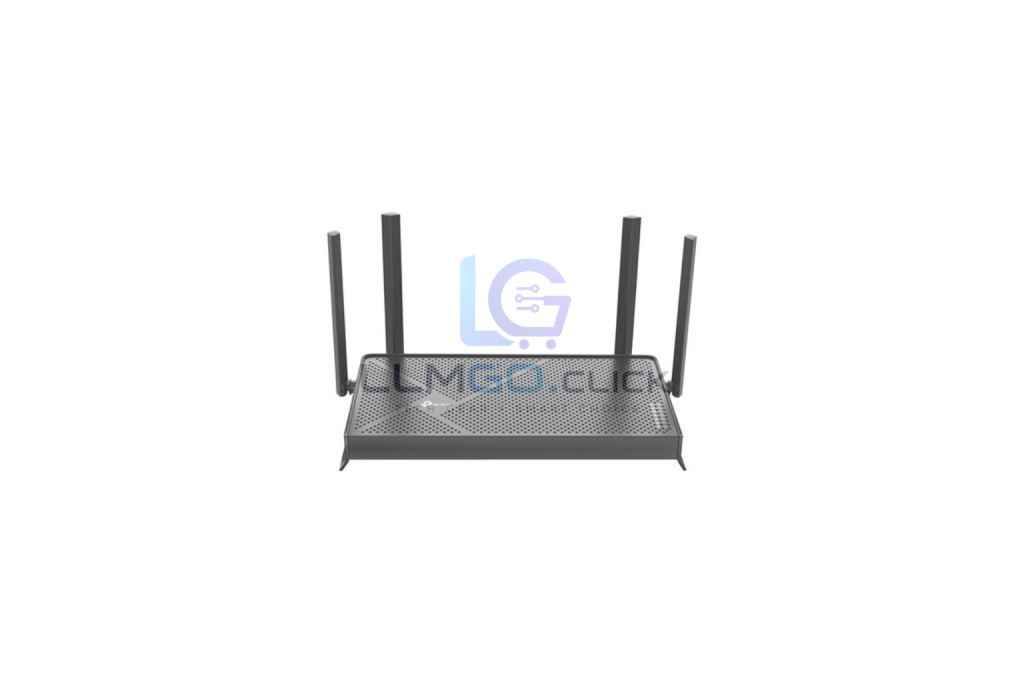
Among the companies leading this transition is TP-Link, one of the world’s most recognized networking brands. TP-Link’s WiFi 7 routers are designed to provide faster speeds, lower latency, improved reliability, and enhanced multi-device performance for modern homes and businesses. Devices such as the TP-Link Archer BE230 BE3600 Dual-Band Wi-Fi 7 Router and the TP-Link Archer GE230 Wi-Fi 7 Gaming Router represent the next generation of wireless networking technology.
WiFi 7 is not simply a small upgrade over WiFi 6 or WiFi 6E. It introduces major advancements in bandwidth, latency optimization, Multi-Link Operation (MLO), spectrum efficiency, and throughput capacity. These improvements allow users to experience significantly faster and more stable wireless connections across multiple devices and applications. According to research on IEEE 802.11be, WiFi 7 has the potential to achieve throughput speeds up to 30 Gbps while reducing latency compared to previous WiFi generations. (arXiv)
This article explores the fast connectivity capabilities of TP-Link WiFi 7 routers, including their technologies, performance benefits, gaming advantages, smart home applications, future-proof networking features, and their role in the future of high-speed wireless communication.
The Evolution of Wireless Networking
Wireless networking technology has evolved rapidly over the past two decades.
Earlier WiFi generations focused mainly on providing basic internet access for web browsing and simple file transfers. However, modern internet usage has become far more demanding.Fast Connectivity with TP-Link WiFi 7 Router
Today’s users commonly rely on wireless networks for:
- 4K and 8K streaming
- Cloud gaming
- Remote work
- Video conferencing
- Fast Connectivity with TP-Link WiFi 7 Router
- Smart home automation
- Virtual reality
- AI-powered applications
- Large file transfers
- Online education
As internet bandwidth requirements increase, traditional routers may struggle to handle multiple high-performance devices simultaneously.
WiFi 7 was developed specifically to solve these challenges by introducing significantly higher throughput and smarter traffic management technologies.
TP-Link has become one of the key manufacturers bringing WiFi 7 to consumers through both affordable and premium networking products.Fast Connectivity with TP-Link WiFi 7 Router
What Is WiFi 7?
WiFi 7, officially known as IEEE 802.11be, is the latest wireless networking standard designed to deliver:
- Higher speeds
- Lower latency
- Improved reliability
- Better multi-device performance
Compared to WiFi 6 and WiFi 6E, WiFi 7 introduces several major innovations:
- Multi-Link Operation (MLO)
- 320 MHz channel bandwidth
- 4K-QAM modulation
- Fast Connectivity with TP-Link WiFi 7 Router
- Enhanced spectrum utilization
- Lower network latency
These technologies allow routers to transmit more data simultaneously while improving efficiency in crowded network environments.
Research papers on WiFi 7 highlight its ability to dramatically improve throughput and support real-time applications such as VR, AR, and ultra-high-definition streaming. (arXiv)
Multi-Link Operation (MLO)
One of the most important features of WiFi 7 is Multi-Link Operation, commonly known as MLO.
Traditional WiFi devices connect using a single frequency band at a time. MLO changes this by allowing devices to use multiple bands simultaneously.
This provides several advantages:
- Faster speeds
- Fast Connectivity with TP-Link WiFi 7 Router
- Lower latency
- Improved stability
- Reduced congestion
- Better reliability
For example, a WiFi 7 device may transmit data across both 5GHz and 6GHz bands simultaneously.
TP-Link highlights MLO as one of the key technologies powering its WiFi 7 routers. (TP-Link)
This feature is especially useful for:
- Online gaming
- VR applications
- Fast Connectivity with TP-Link WiFi 7 Router
- Real-time video calls
- Cloud gaming
- Large downloads
MLO helps maintain smooth performance even when network conditions fluctuate.
Fast Connectivity with TP-Link WiFi 7 Router
Faster Wireless Speeds
The biggest advantage of TP-Link WiFi 7 routers is their extremely high wireless speed capability.
Devices like the TP-Link Archer BE230 BE3600 Dual-Band Wi-Fi 7 Router support multi-gigabit wireless performance designed for modern broadband connections.
Premium TP-Link models such as the Archer BE9300 can reach speeds exceeding 9 Gbps across multiple wireless bands. (TP-Link)
High-end models like the Archer BE800 are reported to support up to 19 Gbps aggregate throughput. (Electro Review Zone)
These speeds make WiFi 7 ideal for:
- 8K video streaming
- Massive cloud backups
- AI-powered workflows
- Ultra-fast downloads
- Multi-user gaming environments
- Fast Connectivity with TP-Link WiFi 7 Router
Even budget-oriented TP-Link WiFi 7 routers provide significantly faster speeds than many older WiFi 5 or WiFi 6 systems.
Lower Latency for Gaming
Gaming performance depends heavily on low latency and stable connections.
Online multiplayer games require rapid communication between devices and servers. Even small delays can negatively affect competitive gameplay.
TP-Link WiFi 7 gaming routers such as the TP-Link Archer GE230 Wi-Fi 7 Gaming Router are specifically designed to reduce lag and prioritize gaming traffic.
WiFi 7’s MLO technology helps minimize packet loss and reduce latency spikes.
Gaming-focused TP-Link routers may also include:
- Gaming traffic prioritization
- Dedicated gaming ports
- QoS optimization
- Fast Connectivity with TP-Link WiFi 7 Router
- AI-driven traffic management
Reviewers have highlighted TP-Link’s gaming-oriented WiFi 7 routers for their low-latency performance and strong throughput. (YouTube)
For esports players and competitive gamers, these improvements can provide smoother gameplay and faster response times.
Improved Multi-Device Performance
Modern households often contain dozens of connected devices simultaneously.
These may include:
- Smartphones
- Fast Connectivity with TP-Link WiFi 7 Router
- Laptops
- Smart TVs
- Gaming consoles
- Security cameras
- Smart speakers
- IoT devices
Traditional routers can become congested under heavy device loads.
WiFi 7 improves multi-device efficiency through:
- Better spectrum management
- Improved scheduling
- Higher bandwidth capacity
- Fast Connectivity with TP-Link WiFi 7 Router
- Reduced interference
The TP-Link Archer BE230 BE3600 Dual-Band Wi-Fi 7 Router has been praised for delivering strong multi-device performance at an affordable price. (TechGearLab)
This makes TP-Link WiFi 7 routers highly suitable for large households and smart home environments.
Fast Connectivity with TP-Link WiFi 7 Router
Smart Home Optimization
Smart homes continue becoming more advanced and interconnected.
Fast Connectivity with TP-Link WiFi 7 Router
Modern homes may contain:
- Smart lights
- Smart locks
- Smart thermostats
- Voice assistants
- Smart appliances
- Home security systems
These devices require reliable wireless communication to function properly.
TP-Link WiFi 7 routers support advanced mesh networking technologies such as EasyMesh, allowing users to create seamless whole-home coverage systems. (TP-Link)
This helps eliminate dead zones and maintain stable connectivity throughout the home.
AI-driven optimization systems can also automatically manage traffic to improve smart home reliability.
Enhanced Wired Connectivity
Although wireless performance is the primary focus of WiFi 7, TP-Link routers also improve wired networking capabilities.
Many TP-Link WiFi 7 routers include:
- 2.5GbE ports
- 10GbE ports
- USB storage support
- Multi-gigabit WAN ports
The Archer BE9300 includes dual 2.5GbE ports for high-speed wired networking. (TP-Link)
Higher-end models such as the Archer BE800 include multiple 10GbE ports for enthusiasts and creators requiring maximum bandwidth. (Electro Review Zone)
These features benefit:
- NAS systems
- Gaming PCs
- Content creators
- Fast Connectivity with TP-Link WiFi 7 Router
- Video editors
- Streamers
High-speed wired connectivity ensures that demanding devices can fully utilize modern fiber internet connections.
Future-Proof Networking
One of the biggest reasons consumers upgrade to WiFi 7 is future-proofing.
Internet speeds continue increasing worldwide, and future applications will require even more bandwidth.
Emerging technologies such as:
- Virtual reality
- Augmented reality
- AI computing
- Cloud gaming
- Smart cities
- 8K streaming
will place enormous demands on wireless networks.
WiFi 7 routers are designed to support these future workloads efficiently.
TP-Link’s WiFi 7 ecosystem helps users prepare for:
- Faster internet plans
- Next-generation devices
- AI-enhanced applications
- High-bandwidth cloud services
Investing in WiFi 7 today may reduce the need for frequent future upgrades.
Mesh Networking and Coverage
Coverage remains an important challenge in wireless networking.
Large homes often experience dead zones or weak signal areas.
TP-Link addresses this through EasyMesh compatibility, allowing multiple routers or extenders to create unified wireless coverage. (TP-Link)
Mesh systems improve:
- Roaming performance
- Signal consistency
- Device handoff speed
- Whole-home coverage
This is especially important for:
- Multi-story homes
- Large apartments
- Offices
- Smart homes
WiFi 7 mesh systems can deliver seamless high-speed connectivity across large spaces. Fast Connectivity with TP-Link WiFi 7 Router
AI Optimization Features
Artificial intelligence is becoming increasingly integrated into networking hardware. Fast Connectivity with TP-Link WiFi 7 Router
TP-Link WiFi 7 routers may use AI-driven optimization for:
- Traffic prioritization
- Fast Connectivity with TP-Link WiFi 7 Router
- Device management
- Network diagnostics
- Security analysis
- Signal optimization
AI systems can automatically adjust network behavior based on user activity and device requirements.
For example:
- Gaming traffic can receive priority during online matches.
- Streaming devices can maintain stable bandwidth.
- Smart home devices can operate without interruptions.
AI-enhanced networking helps improve overall user experience.
Security and Privacy
Modern networking devices must also provide strong security features.
TP-Link routers include security technologies such as:
- WPA3 encryption
- Network isolation
- IoT protection
- Parental controls
- Threat detection
Some premium TP-Link models include advanced HomeShield security systems for enhanced protection against cyber threats. (Tom’s Guide)
As homes become more connected, router security becomes increasingly important.
Challenges and Limitations
Despite its advantages, WiFi 7 still faces some challenges.
Current limitations include:
- Limited WiFi 7 device support
- Higher costs
- Firmware maturity issues
- Range limitations on higher frequencies
- Fast Connectivity with TP-Link WiFi 7 Router
Some users report that WiFi 7 performance benefits are strongest at close range, while long-distance performance may still depend heavily on 5GHz bands. (Reddit)
Additionally, many affordable WiFi 7 routers omit the 6GHz band, limiting access to certain advanced WiFi 7 features. (Reddit)
However, these issues are expected to improve as the technology matures. Fast Connectivity with TP-Link WiFi 7 Router
Best TP-Link WiFi 7 Routers
Budget-friendly WiFi 7 option
TP-Link Archer BE230 BE3600 Dual-Band Wi-Fi 7 Router
₫1,999,000
TP-Link Archer BE230 BE3600 Dual-Band Wi-Fi 7 Router
₫2,090,000
TP-Link Archer BE230 WiFi 7 Router
₫1,950,000
Gaming-focused WiFi 7 router
TP-Link Archer GE230 Wi-Fi 7 Gaming Router
₫2,690,000
TP-Link Archer GE230 Gaming WiFi 7 Router
₫2,680,000
TP-Link Archer GE230 BE3600 Gaming Router
₫2,699,000
These TP-Link routers provide strong entry points into WiFi 7 networking while supporting modern connectivity demands.
Conclusion Fast Connectivity with TP-Link WiFi 7 Router
TP-Link WiFi 7 routers represent a major advancement in wireless networking technology. By combining Multi-Link Operation, higher bandwidth, lower latency, AI optimization, and improved multi-device efficiency, WiFi 7 delivers significantly faster and more reliable connectivity compared to previous generations. Fast Connectivity with TP-Link WiFi 7 Router
Devices such as the TP-Link Archer BE230 BE3600 Dual-Band Wi-Fi 7 Router and the TP-Link Archer GE230 Wi-Fi 7 Gaming Router demonstrate how TP-Link is bringing next-generation networking capabilities to both mainstream consumers and gaming enthusiasts.
WiFi 7 supports the growing demands of:
- Online gaming
- Smart homes
- AI applications
- 8K streaming
- Cloud computing
- Virtual reality
Although the technology is still evolving, TP-Link WiFi 7 routers already provide impressive improvements in speed, latency, and future-ready networking performance.
As internet usage continues becoming more demanding, WiFi 7 is likely to become the new standard for high-speed wireless connectivity, and TP-Link is positioned as one of the key brands driving this transition forward.
